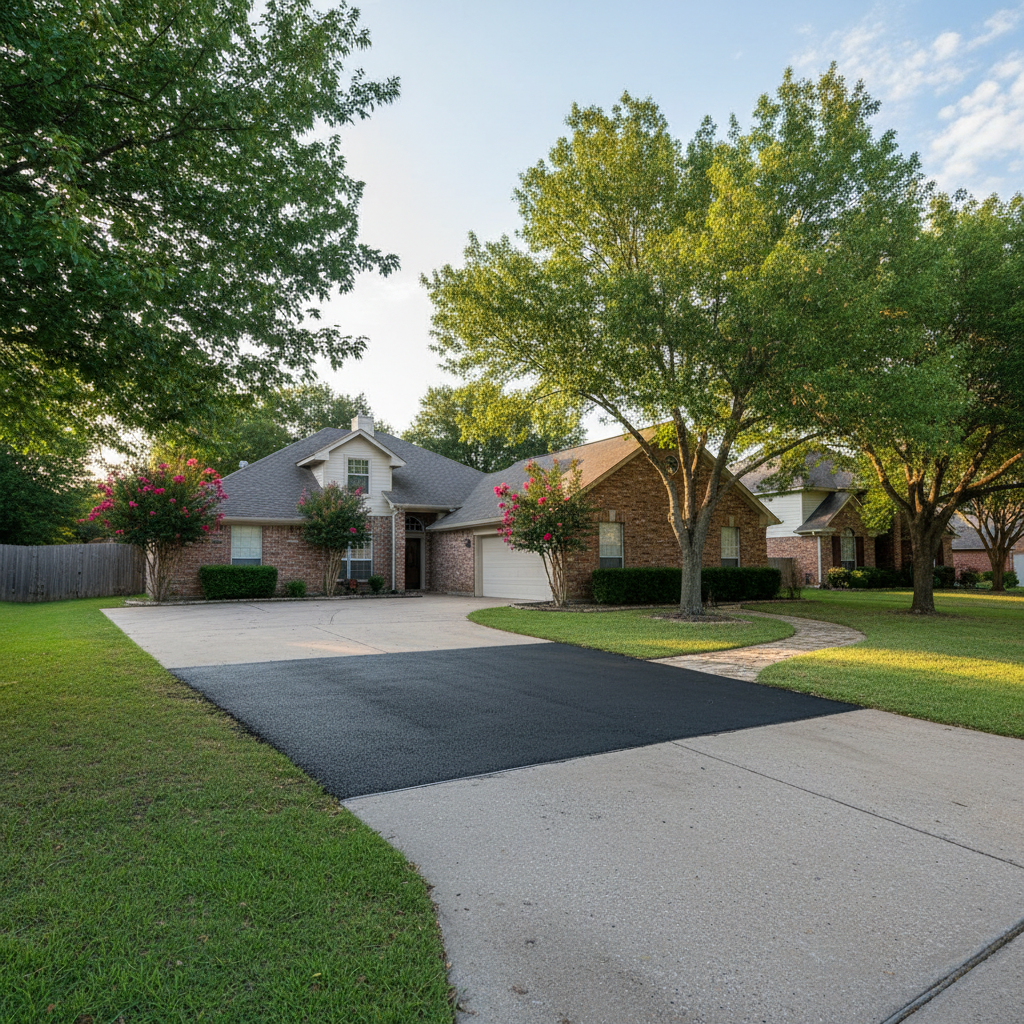
Got some cracks, potholes, or just general wear and tear on your asphalt driveway? You're not alone. I see it all the time around Bryan, from the older homes in the Historic District to the newer builds out by Miramont. Planning an asphalt repair project might seem straightforward, but there are definitely things you need to know to make sure it goes smoothly and you get a lasting fix. Let's talk about how to get this done right, shall we?
Setting Your Project Timeline
When you're thinking about getting asphalt repair done, timing is a big deal. You can't just call someone up on a Tuesday and expect them to be there Wednesday, especially not for a good, reputable crew. Here's a rough idea of what to expect:
- Initial Contact & Quote: Once you reach out, a good contractor will want to come out and look at your driveway. This usually happens within a few days to a week. They'll assess the damage, measure, and then put together a quote. This whole process might take another few days.
- Scheduling the Work: After you approve a quote, you'll get on their schedule. Depending on the time of year and how busy they are, this could be anywhere from a couple of weeks to a month or even longer. Spring and fall are usually the busiest times because the weather's just right for asphalt work. Summer can be okay, but those brutal Bryan, TX summer afternoons can make things tough, and rain delays are always a factor.
- Actual Repair Work: For most residential asphalt repairs, the actual work itself might only take a day or two. If it's a larger section or multiple areas, maybe a bit longer.
- Curing Time: This is the part folks often forget. After the repair, you can't just drive on it immediately. You'll need to give it time to cure. For smaller patches, it might be 24-48 hours. For larger overlays or extensive work, it could be several days before you can put heavy vehicle traffic on it. Your contractor will give you specific instructions.
So, from your first call to driving on your newly repaired asphalt, you're probably looking at a 3-6 week total window. Plan accordingly, especially if you have events or travel coming up.
What to Expect During the Repair Process
Alright, the crew shows up. What's going to happen? It really depends on the type of repair, but generally:
- Preparation: First, they'll clean the area. This means sweeping away loose debris, blowing out cracks, and sometimes even power washing. For potholes or larger damaged sections, they'll cut out the old, failing asphalt. This can be noisy, so don't be surprised.
- Base Work (if needed): If the underlying base material is compromised – which often happens with potholes due to our expansive clay soils here in Bryan – they'll need to address that. This might involve digging out soil, adding new aggregate, and compacting it properly. This is crucial for a lasting repair.
- Applying New Asphalt: Once the base is solid, they'll apply the new asphalt. For cracks, it's usually a sealant. For patches, they'll lay down hot mix asphalt, rake it into place, and then compact it with a roller or a plate compactor. You'll see steam coming off it; that's normal.
- Cleanup: A good crew will clean up their mess. They'll remove any old asphalt chunks, sweep up debris, and leave your property looking tidy.
It's a pretty hands-on process, and there will be equipment, noise, and a distinct asphalt smell. Just be ready for it.
How You Can Prepare Your Property
You've got a role to play too! Doing a little prep work on your end can make the contractor's job easier and prevent delays.
- Clear the Area: Move your cars, boats, RVs, trash cans, kids' toys, planters, or anything else that's on or near the asphalt. Seriously, clear it all out. They don't want to move your stuff, and you don't want it damaged.
- Trim Overhanging Branches: If you have trees or bushes hanging over your driveway, especially where the work needs to be done, give them a trim. This gives the crew room to operate their equipment.
- Mark Sprinkler Heads/Invisible Fences: If you have any underground sprinkler heads, dog fence wires, or other buried utilities near the edge of your asphalt, mark them clearly with flags or paint. This helps prevent accidental damage.
- Ensure Access: Make sure the crew can get their trucks and equipment to the work area. If you have a locked gate, make arrangements for them to get in.
- Communicate: If you have specific concerns or questions about access, noise, or anything else, talk to the project manager beforehand.
A little preparation goes a long way in making the day of the repair smooth for everyone.
Questions to Ask Before Signing a Contract
This is where you protect yourself and ensure you're getting a quality job. Don't be shy about asking these questions:
- What specific repair methods are you proposing? Don't just accept ---