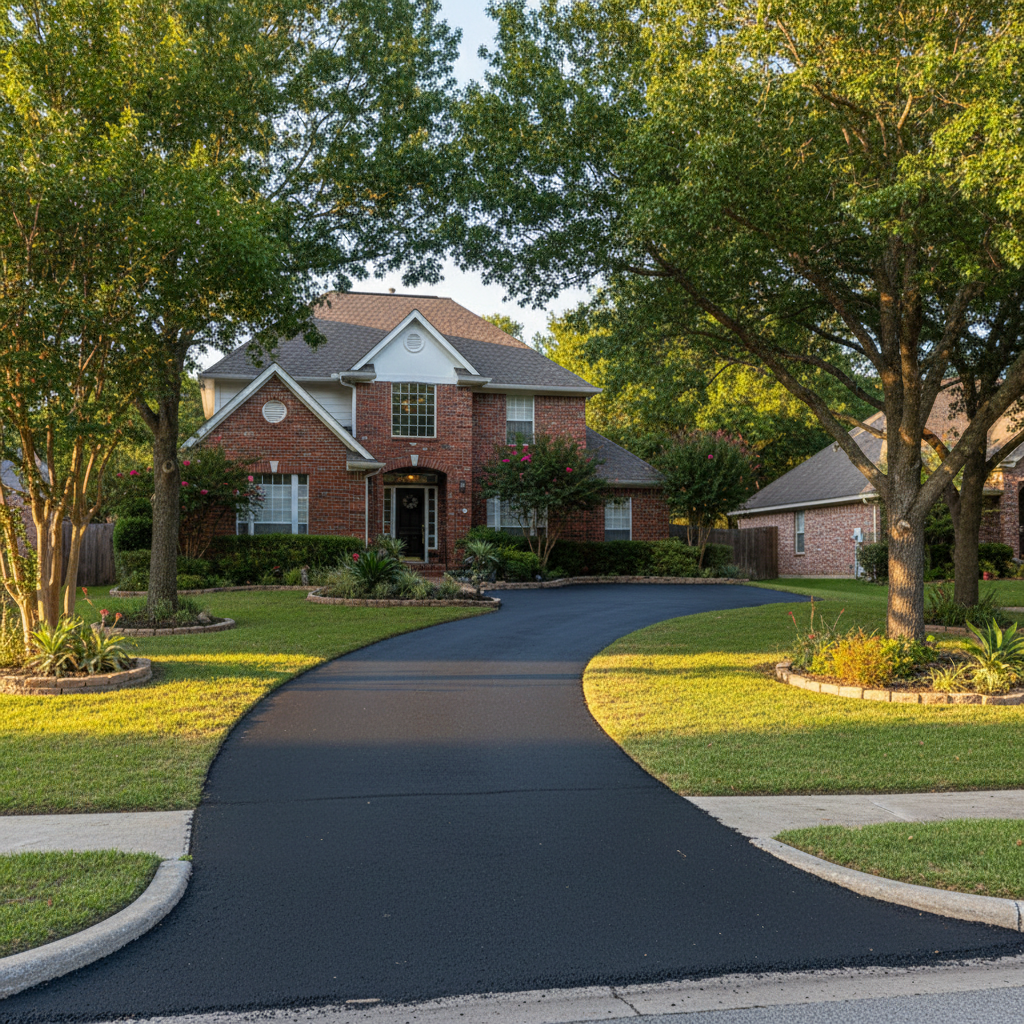
Alright, let's talk about your asphalt driveway here in Bryan. I get a lot of folks asking me about when's the 'right' time to get work done, or why their driveway seems to be cracking up faster than their neighbor's. A lot of it comes down to our specific climate, and trust me, it's a bit of a beast.
When to Schedule Asphalt Work in Bryan
If you're thinking about a new driveway, a major repair, or even just a sealcoat, timing is everything. For big jobs like laying down new asphalt, we're really looking for that sweet spot when the ground isn't soaking wet and the temperatures are consistently warm, but not scorching. That usually means spring or fall around here.
- Spring (March-May): This is prime time. The ground has had a chance to dry out from winter rains, and the temperatures are usually in that ideal 60-85 degree range during the day. The asphalt can cure properly without getting shocked by extreme heat or cold.
- Fall (September-November): Another great window. The summer heat has broken, and we're usually still above freezing at night. It's perfect for laying down hot mix asphalt because it cools and compacts well.
- Summer (June-August): We can do some work, but it's tougher. Our Bryan summers are brutal. When it's 100 degrees outside, the asphalt mix cools too fast, which can make it harder to get a good, dense compaction. Plus, it's just plain miserable for the crew. We try to schedule early mornings if we have to work in the peak summer heat.
- Winter (December-February): Forget about it for new paving. Hot mix asphalt needs warm temperatures to be workable and to cure correctly. If you try to lay it when it's too cold, it'll cool too fast, won't compact right, and you'll end up with a brittle, short-lived driveway. Small patching can sometimes be done with cold patch, but it's a temporary fix at best.
For sealcoating, you need a few days of dry weather and temperatures consistently above 50 degrees, day and night. That's why we don't sealcoat much in winter; the material just won't cure right and you'll have wasted your money.
How Bryan's Weather Affects Your Asphalt
Our climate here in Bryan, TX, is tough on everything, and asphalt is no exception. We've got a unique combination of factors that really test a driveway's durability.
- Extreme Heat: Those long, scorching summers? They cause the asphalt to expand. Over time, this constant expansion and contraction weakens the binder in the asphalt, leading to cracking.
- Heavy Rains & Humidity: We get our fair share of downpours. Water is asphalt's number one enemy. It seeps into tiny cracks, and if it freezes (which happens occasionally even here), it expands and makes those cracks much bigger. Plus, our high humidity keeps things damp, which can accelerate deterioration.
- Expansive Clay Soils: This is a big one, especially if you live in an older part of town like the Southwood Valley area. Our clay soils expand when wet and shrink when dry. This constant movement underneath your driveway can cause it to crack, heave, and settle unevenly. A well-prepared sub-base is crucial to mitigate this, but it's always a factor.
Protecting Your Investment Year-Round
You've put money into your driveway, so you want it to last. Here's what I tell folks to do to protect that investment:
Regular Cleaning and Drainage Checks
Keep your driveway clean. Sweep off leaves, dirt, and debris regularly. Make sure your drainage is working right. If water is pooling on your driveway, it's going to cause problems. Clear out those gutters and make sure downspouts aren't dumping water directly onto the asphalt.
Sealcoating
This is like sunscreen for your driveway. A good sealcoat every 2-3 years protects the asphalt from UV rays, water penetration, and even minor spills. It keeps the surface flexible and extends its life significantly. Just remember what I said about timing – spring or fall is best.
Crack Sealing
As soon as you see a crack, no matter how small, get it sealed. Don't wait. Those little cracks are superhighways for water to get into your sub-base and start doing real damage. It's a cheap fix now, but if you ignore it, it turns into a much more expensive repair later.
Address Oil & Gas Spills Immediately
Oil, gas, and other automotive fluids are solvents. They'll break down the asphalt binder if left on the surface. Clean them up as soon as they happen with an absorbent material and a good degreaser.
Avoid Heavy Loads & Sharp Turns
Try not to park heavy RVs or equipment on your driveway for extended periods. Also, avoid making sharp turns with your steering wheel while your vehicle is stationary. This 'power steering scuffing' can twist and tear at the asphalt surface, especially when it's hot and soft.
Look, your driveway is a big part of your home's curb appeal and functionality. Taking a little time to understand our local conditions and doing some preventative maintenance will save you a lot of headaches and money down the road. If you've got questions or need a hand, you know who to call. Pacific Asphalt Paving is always here to help our Bryan neighbors keep their driveways looking good and lasting long.