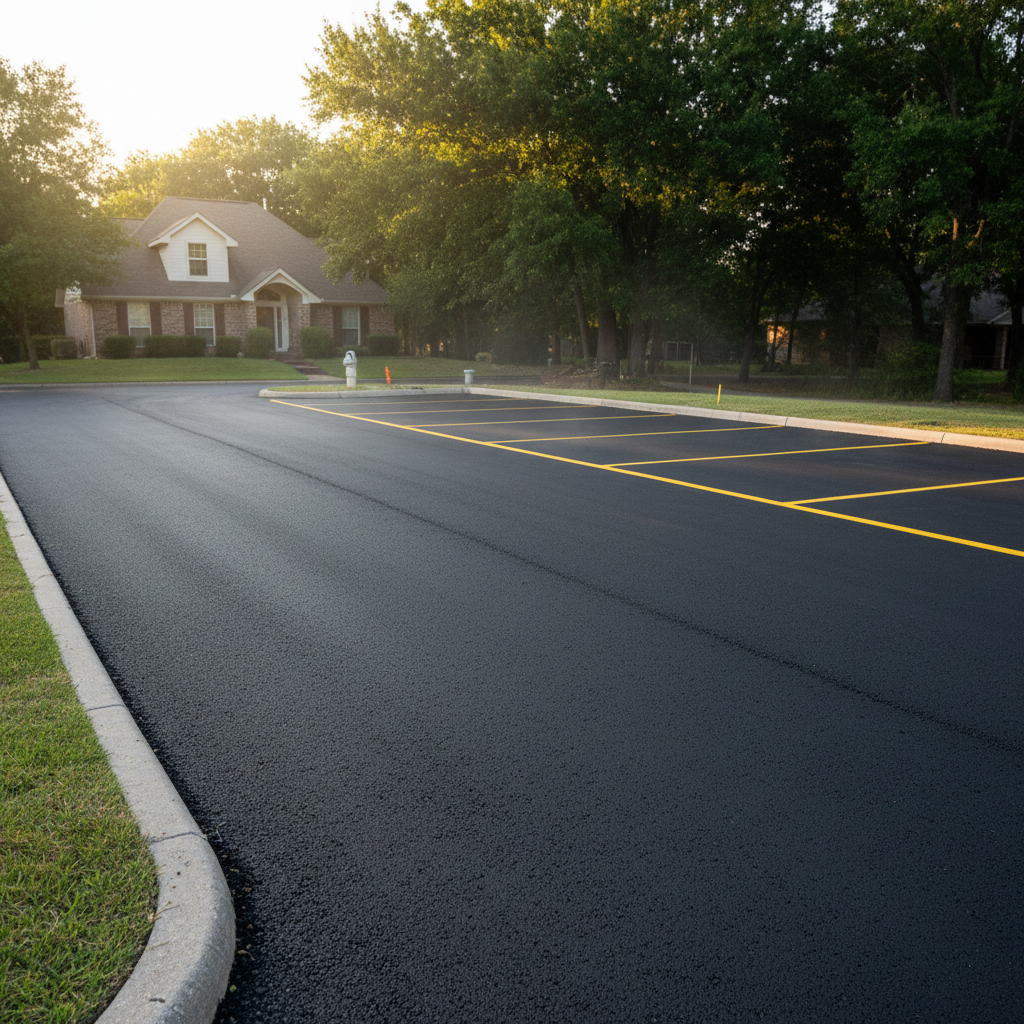
So, you're looking at paving or repaving a parking lot here in Bryan. It's a big investment for any business, and you want to make sure you're getting it right without breaking the bank. I get it. I've been doing this for years, and I've seen all sorts of projects, from small retail lots to big industrial spaces. Let's talk about what really goes into the cost and how you can be smart about it.
What Drives Parking Lot Paving Costs?
When I give you a quote, I'm not just pulling a number out of thin air. There are several key factors that dictate the final price tag. Understanding these helps you understand why one quote might differ from another.
- Size and Scope: This is the most obvious one. A bigger parking lot means more materials, more labor, and more time. But it's not just square footage; it's also about the layout. A simple rectangle is easier and cheaper to pave than a lot with lots of islands, curves, and complex drainage needs.
- Existing Conditions: Is it a brand-new lot on undeveloped land, or are we tearing out an old, cracked-up asphalt or concrete surface? Demolition and removal add significant cost. If the subgrade (the dirt underneath) isn't stable, we might need to do extra work like soil stabilization or adding more base material, especially with our expansive clay soils around here in Bryan. That's a common issue we deal with.
- Asphalt Thickness: How thick does the asphalt need to be? A lot for light-duty traffic, like a small office building, won't need the same thickness as a lot for heavy trucks and delivery vehicles. More asphalt means higher material costs.
- Drainage Requirements: Proper drainage is critical. You don't want standing water pooling up, leading to potholes and premature failure. This often involves grading the lot correctly, installing catch basins, and connecting to storm drains. Poor drainage planning upfront will cost you way more down the road.
- Site Preparation: Beyond just clearing the land, this includes grading, compacting the subgrade, and laying down a proper base layer of aggregate. If the site isn't prepped right, the asphalt won't last.
- Accessibility & Features: Things like ADA-compliant ramps, speed bumps, wheel stops, bollards, and specialized markings (like EV charging spots or fire lanes) all add to the complexity and cost.
Typical Cost Ranges in Bryan, TX
Alright, let's get down to some real numbers. I can't give you an exact price without seeing your specific project, but I can give you a solid ballpark for a typical commercial parking lot in our area. These figures generally include site prep, grading, base material, asphalt paving, and basic striping.
- New Construction (from scratch): For a standard 2-3 inch asphalt surface over a well-prepared base, you're usually looking at anywhere from $3.50 to $7.00 per square foot. This range accounts for varying subgrade conditions and base material needs.
- Resurfacing/Overlay (existing good base): If your existing asphalt is still structurally sound but just needs a new wearing surface (typically 1.5-2 inches of new asphalt), costs can range from $2.00 to $4.50 per square foot. This is a more economical option if your base is holding up.
- Remove & Replace: This is the most expensive option because we're tearing out the old stuff, hauling it away, prepping the subgrade, and then putting down a whole new lot. Expect to pay anywhere from $6.00 to $12.00+ per square foot, depending heavily on the depth of removal and new material.
Remember, these are averages. A very small, complex job might push the per-square-foot cost higher, while a very large, simple job might bring it down a bit due to economies of scale.
What Should Be Included in Your Quote?
When you get a quote from Pacific Asphalt Paving or any other contractor, make sure it's comprehensive. A good quote should clearly outline:
- Detailed Scope of Work: Exactly what's being done. This should specify grading, base material type and depth, asphalt thickness, and number of layers.
- Materials Used: Type of asphalt mix, aggregate, etc.
- Site Preparation: Any demolition, excavation, or subgrade stabilization.
- Drainage: Specifics on how water will be managed.
- Striping and Markings: Number of parking spaces, handicap symbols, arrows, fire lanes, etc.
- Timeline: Estimated start and completion dates.
- Warranty: What kind of guarantee they offer on their work.
- Permits: Who is responsible for pulling necessary permits (usually the contractor).
How to Avoid Overpaying (and Headaches)
You want a quality job that lasts, but you don't want to get fleeced. Here's my advice:
- Get Multiple Quotes: Don't just go with the first guy. Get at least three detailed quotes. This helps you compare apples to apples and understand the market rate.
- Check References & Reviews: A good contractor will have a track record. Ask for local references and check online reviews.
- Verify Insurance & Licensing: This is non-negotiable. Make sure they're properly insured and licensed to protect yourself from liability.
- Ask About Experience: How long have they been doing commercial paving? Do they have experience with projects similar to yours?
- Don't Always Go for the Lowest Bid: The cheapest quote can often mean cut corners, inferior materials, or hidden costs later. Quality work costs money. You're investing in your business's curb appeal and functionality for years to come.
- Understand the Contract: Read every line. If you don't understand something, ask. Make sure all verbal agreements are in writing.
Paving a parking lot is a significant undertaking, but with the right information and a trustworthy contractor, it doesn't have to be a headache. Do your homework, ask the tough questions, and you'll end up with a durable, professional parking lot that serves your business well for years.